February 10, 2026
Ben Blumenrose
The source of truth problem
Most teams can tell you their conversion rate. Fewer can tell you what their checkout flow looks like in Japanese on Android, or whether that experiment they shipped last week still matches the design file.
This starts small: a few engineers, one or two languages, maybe iOS and web. But the moment you scale, your mental model and reality diverge. A button works on desktop but breaks on mobile. That modal you approved three weeks ago shipped differently than designed because engineering worked around a technical constraint you didn't know about. The onboarding flow for new users looks nothing like the one for returning customers.
Decisions without ground truth
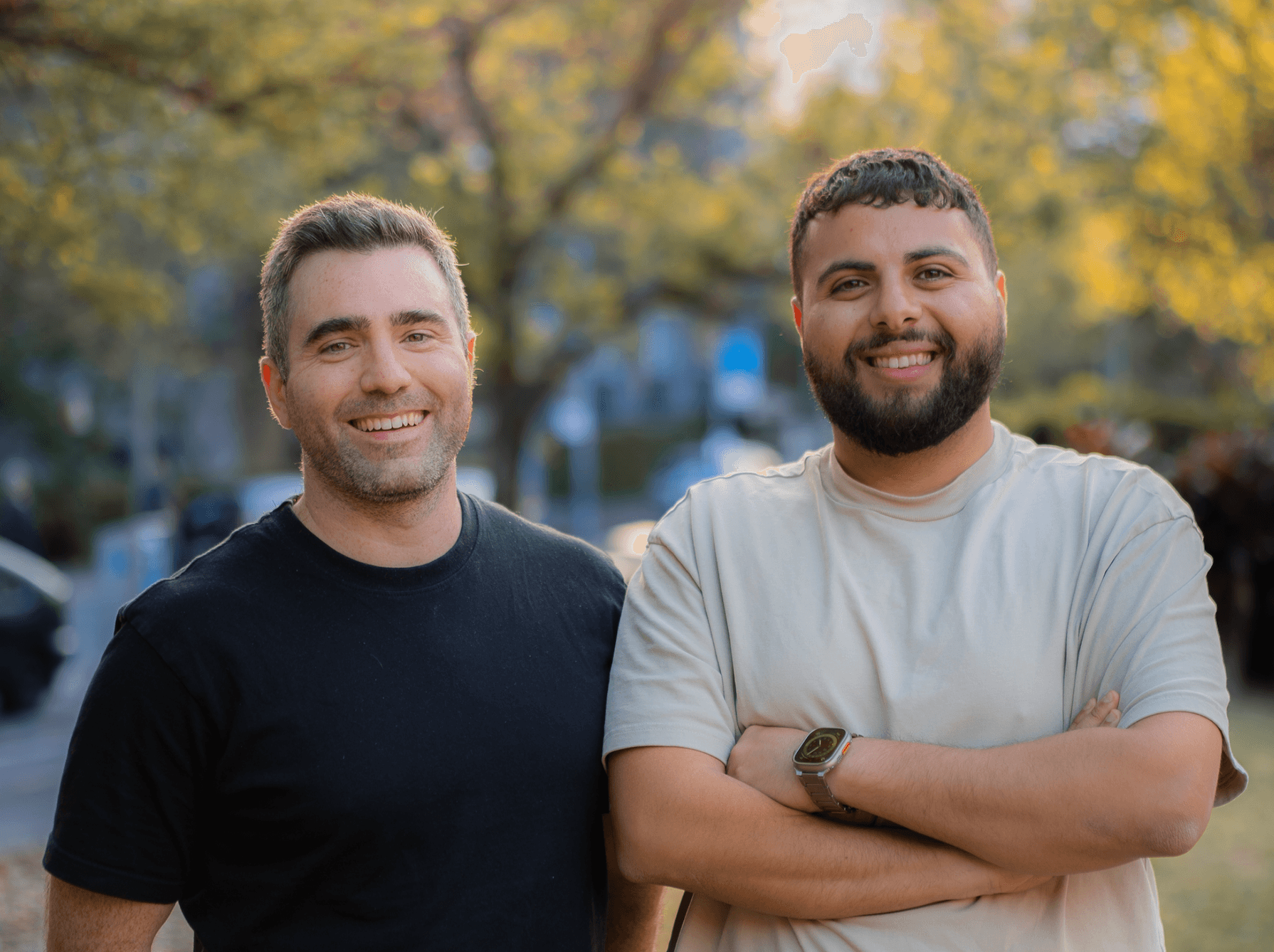
Omar Salem felt this running growth at Canva across 100+ languages. His team's Slack was filled with questions nobody could answer quickly: "What's the latest onboarding journey?" "Where can I see the experiment designs?" "What are users in our fastest-growing market actually experiencing?"
Design files showed one thing. Production showed another. Translations happened without design approval. Teams made million-dollar decisions based on their idea of the product, not the reality. Session replay tools could show you a user struggling, but you had to manually connect that back to which variant they were in, what the designed flow was supposed to be, and whether this was a one-off bug or a systematic issue.
Nathan Scully saw the same pattern at Amazon. Teams shipping faster than they could track what users experienced across regions. Both recognized that the tools built for design collaboration weren't built to track production, and the tools built for analytics weren't built to show you the actual experience.
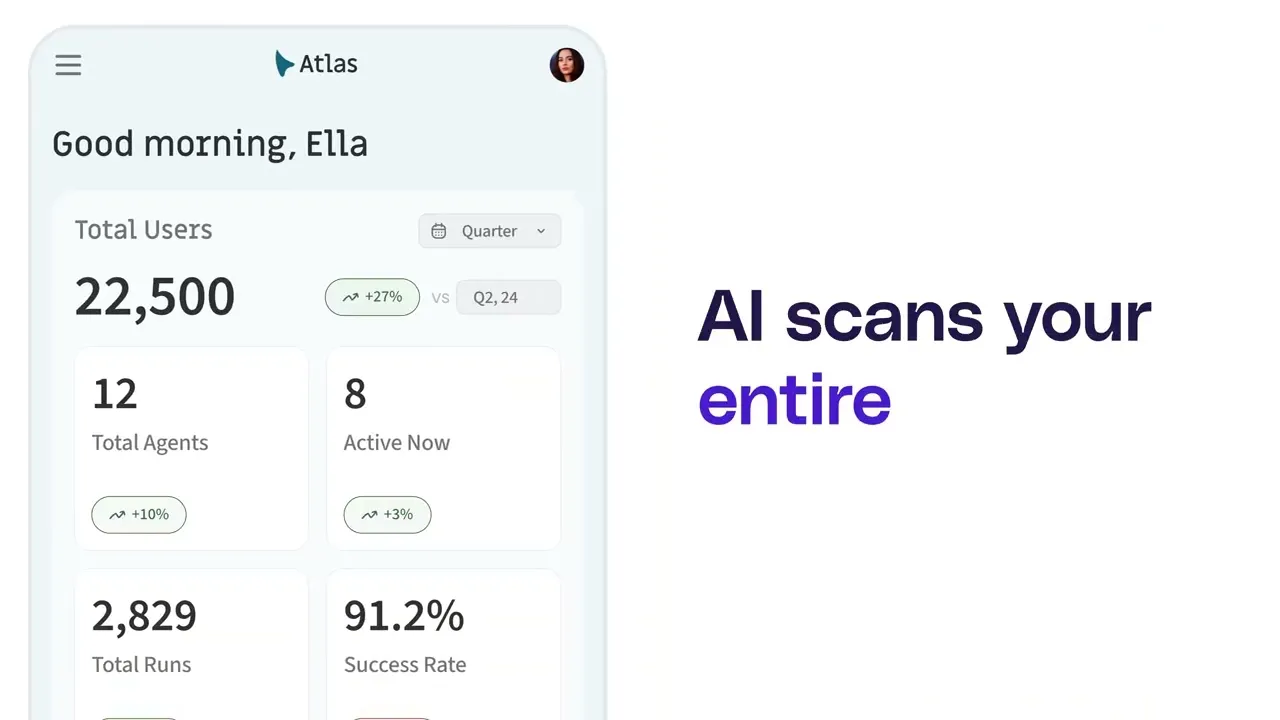
That's what Adora solves. It maps your live environment automatically—every screen, journey, and interaction across languages, devices, and user types gets captured and stays current as you ship. AI watches how users move through the product and flags where things break: friction points, broken flows, issues that only show up in specific contexts, with session replays attached.
Instead of spending an afternoon in dashboards trying to figure out why signup completion dropped, you can ask "where do users drop off after signup?" and see the exact screen where it happens. Teams at Canva, Notion, Replit, Granola, and Chess.com are using it to spot issues in minutes that used to take days to uncover.
Design decisions happen in the codebase
AI is expanding who can build and accelerating how quickly teams ship. At this velocity, design and product decisions are increasingly made in the codebase itself. That's where your source of truth needs to be.
In a time when anyone can ship features with relative ease, what separates products is the user experience itself, the actual flows and journeys users encounter (not the design files in Figma). Companies often struggle to operationalize design as a living part of product development. Adora makes it possible by capturing the source of truth across design and code: user journeys mapped automatically, screen libraries kept current, and AI analysis that pinpoints issues as the product ships.

Why we backed Adora
We see this problem repeatedly across companies we work with. As organizations scale, it becomes harder to maintain a shared, accurate picture of the product across design, engineering, and growth. Beyond inefficiency, this means decisions being made on partial or outdated information.
Design quality becomes the differentiator when building gets easier, but only if you can see where the experience breaks down. Adora gives teams visibility into what users actually experience, letting them move quickly without losing that connection.
Congrats to Omar, Nathan, and the entire Adora team.
If you're shipping at velocity, try Adora here.
Oct 6, 2026 | Designer Fund
When code is no longer the constraint: Inside Anthropic’s design team

Sep 15, 2026 | Designer Fund
How Stripe creates room for good ideas to spread

Aug 24, 2026 | Designer Fund
How to grow as a designer when AI is changing everything: Inside design at Shopify

Aug 12, 2026 | Designer Fund